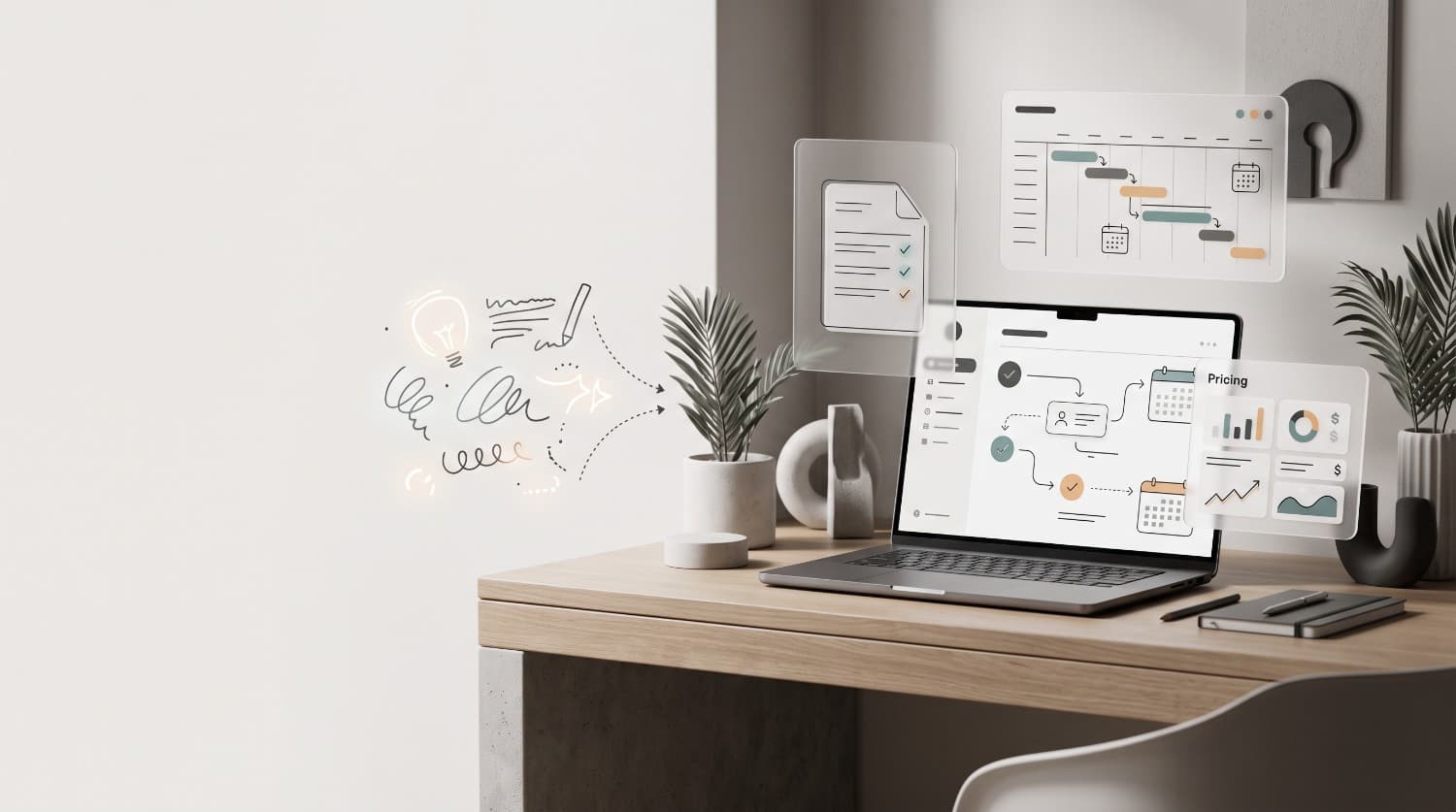
Your Brand Isn’t Static—It Lives in the Experience
How the NILMOTECH Functional Branding Method Builds Stronger Brands Through Product, Not Just Campaigns

For most of the modern era, branding evolved alongside broadcast and print media. Marketers expressed brand values through logos, packaging, campaigns, and one-way storytelling that was mostly visual.
In a world where a brand’s presence was confined to billboard ads, posters, and retail shelves, that approach made sense.
Today, the way customers meet a brand is profoundly different. They sign up for an account, interact with a digital dashboard, configure an IoT device, chat with an AI assistant, or subscribe to a complex B2B workflow.
These are not passive impressions. They are interactive experiences—and they define the brand far more strongly than any marketing slogan ever could.
Branding Has Moved Beyond Traditional Media
When users evaluate your company today, their verdict is formed through repeated, tactile micro-moments. They don't just judge the visual aesthetic; they judge whether the software respects their time, whether navigation is intuitive, and whether the interface delivers on its core promise.
At NILMOTECH, we believe this shift demands a new kind of branding: one that starts inside the experience, not around it. We call this the Functional Branding Method.
- Sign up and onboarding flow frictionless completion
- Speed, responsiveness and latency of core actions
- Clarity of micro-copy and transactional error states
- Haptic and motion feedback that conveys stability and precision
- Consistency across web, native mobile, and connected touchpoints
The Functional Branding Method™: Experience-Led Branding
We call our approach experience-led branding—or simply functional branding—because we begin where the brand is actually lived: in the product and service experience.
The Functional Branding Method starts with the interactions customers encounter first:
- The onboarding journey and initial time-to-value
- The way a button responds to hover, press, and loading states
- The tone of voice in system notifications and tooltips
- The micro-animations that signal system progress and delight
- The visual hierarchy and spatial logic of critical dashboards
“Rather than designing a visual identity in a vacuum and then forcing it into digital UI, we design from the inside out.”
Why Experience-First Branding Brings Products to Market Faster
Traditional branding often produces gorgeous 120-page brand guidelines that completely disintegrate when handed over to frontend developers. Product, design, and engineering teams then spend grueling months debating how to translate static Figma mockups into reactive software.
Starting inside the experience flips that timeline on its head. High-fidelity interactive prototypes prove the brand in motion early, de-risking engineering investments and eliminating guesswork.
Zero Seams Between Brand & Code
When motion curves, design tokens, and components are validated directly in real browser viewports, marketing promises and user realities stay 100% aligned from day one.
Building Real Trust Through Interaction
A modern brand is not a rigid vector logo. It is a living system of interactions that conveys competence in real time. In digital environments, trust is won or lost in milliseconds:
- How clear, hospitable, and forgiving the onboarding feels
- How seamlessly a customer can accomplish their intent without dead-ends
- How predictably UI states behave across desktop, tablet, and mobile screens
- How transparent the pricing, checkout, and cancellation paths remain
“If the experience is awkward, the brand feels weak. If the experience is seamless, the brand feels strong.”
The Future of Branding Is Dynamic and Responsive
As digital interfaces evolve into spatial computing, ambient audio, and adaptive AI agents, static style guides will feel increasingly antiquated.
A resilient brand must be responsive, interactive, and inherently trustworthy. It must communicate through physics, fluid typography, and immediate responsiveness.
That is why experience-led branding is no longer optional—it is the bedrock of modern digital competitive advantage.
Listen to the Functional Branding Podcast
A deep-dive conversation between our creative directors and frontend leads on bridging the gap between brand identity and software execution.
Episode #14: Experience Over Campaigns
24 mins · NILMOTECH Design Radio
FAQ: Functional Branding & Our Method
Functional branding is an approach where the brand identity is defined first through the product or service experience—how it feels, responds, and functions in real hands—rather than starting with a logo or static campaign. Visual identity, marketing, and messaging are then built outward from that lived experience.
More Perspectives
Related posts
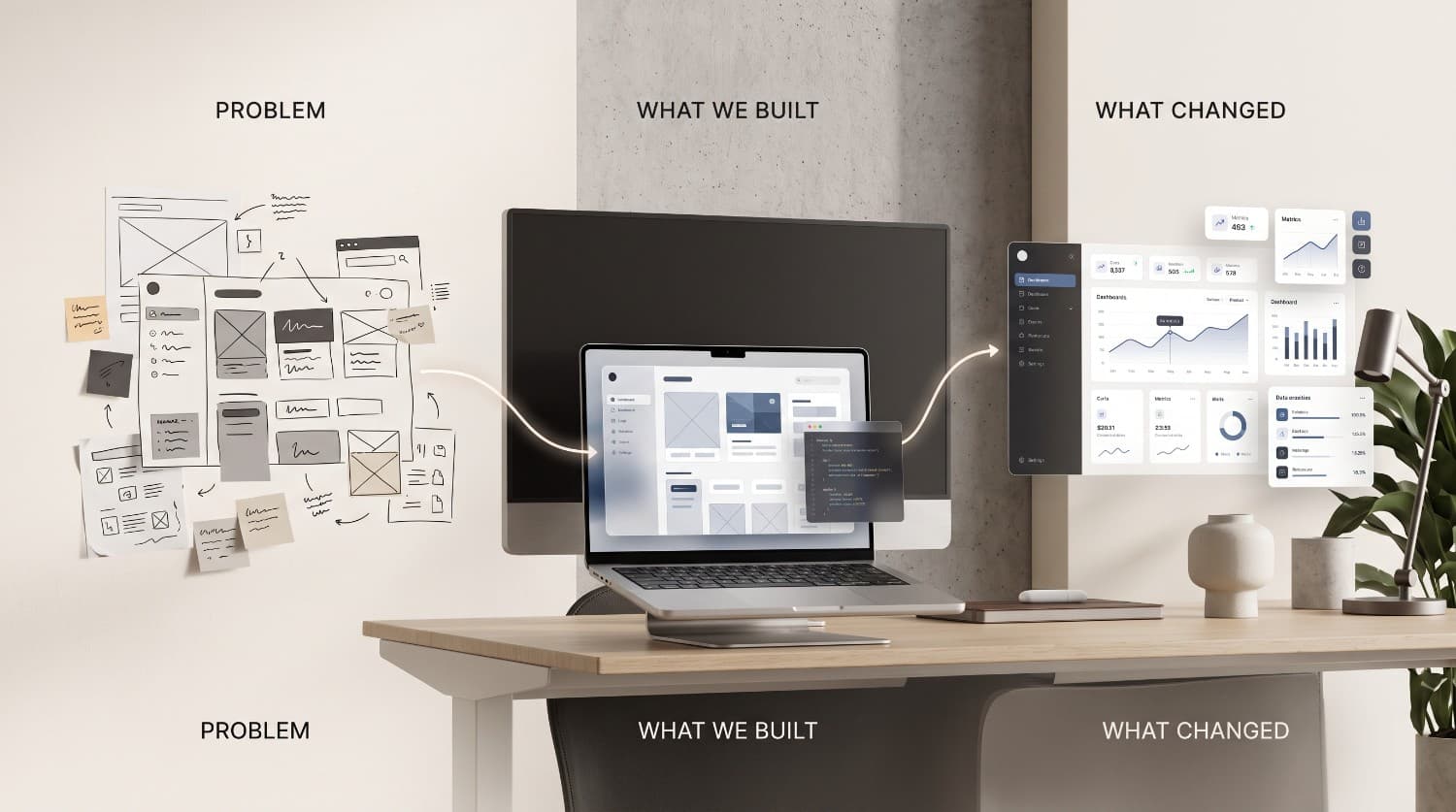
From Frames to Function: Why We’re Designing Less in Figma—and More in the Browser
Static canvas tools hide responsive realities and layout physics. Here is how direct-in-browser prototyping shortens design cycles and protects craft.
How Do You Evaluate a UX/UI Design Partner Beyond the Portfolio?
A practical scorecard for growth-stage leaders covering technical depth, team continuity, outcomes, and the questions that separate partners from vendors.
The “Good Enough” Epidemic: Why Craft Separates Memorable Work from Sameness
AI generators and generic component templates make it effortless to produce baseline digital work. When everyone can ship average UI in hours, obsessive craft is your only moat.